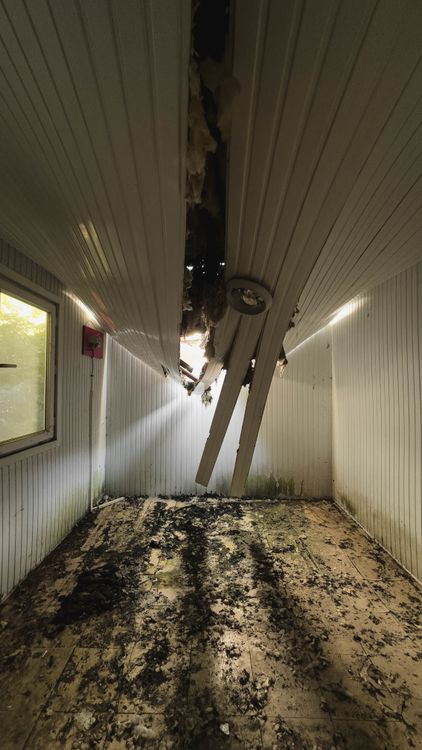

Photo by Denniz Futalan via Pexels
In short: A hurricane-ready commercial building is built months before the storm: a pre-season roof inspection, secured roof edges and rooftop equipment, protected windows and doors, clear drainage and flood mitigation, and the insurance paperwork already filed and accessible. When a warning is issued, the plan shifts from preparation to execution — securing the site, safeguarding occupants and assets, and documenting the building's condition so post-storm claims and repairs move quickly.
When should hurricane prep start?
The Atlantic hurricane season runs from June 1 through November 30, but the work of readiness is not seasonal — it is most effective when it is already done before the season begins. A building owner who schedules a roof inspection in March is buying options; a building owner who calls a roofer the day a tropical storm enters the Gulf is buying a place in a very long line.
Think of readiness in three time horizons. The first is year-round: routine roof maintenance, drainage upkeep, and keeping insurance documents current. The second is pre-season, ideally late spring: a professional roof inspection, tree trimming, shutter or glazing checks, and a dry run of your communication plan. The third is the warning period, measured in days and hours: securing the site, moving assets, documenting conditions, and getting people to safety. Each horizon has different jobs, and skipping the early ones makes the late ones harder.
How do you protect a commercial roof before a hurricane?
The roof is the most wind-exposed part of a commercial building, and wind damage usually starts at the edges. On low-slope commercial roofs, the perimeter edge metal is the first thing the wind attacks; if it lifts, wind gets under the membrane and the peel-back can propagate across the whole field. Before the season, have a roofing professional check edge metal, coping, and flashing for looseness or gaps — cheap fixes in May that become catastrophic failures in September.
Rooftop equipment is the second priority. HVAC units, vents, and satellite dishes that are poorly secured become wind-borne debris — dangerous to people below and capable of tearing open the roof they land on. Every unit should be anchored with hardware rated for high winds, and loose items like trash cans and unsecured signage should have a designated storage plan for storm warnings.
Drainage matters too: a hurricane brings inches of water, and a clogged drain turns a roof into a pond. Clearing drains, scuppers, and gutters before the season — and again when a storm is forecast — is one of the highest-return jobs on the list. If flooding is a known risk for your property, confirm secondary drains and overflow scuppers are clear too.
Finally, know your roof's story. A written inspection report from before the season is the baseline that makes everything afterward — damage assessments, contractor scopes, insurance claims — faster and cleaner.
What about windows, doors, and the building exterior?
Wind finds every opening. Ground-level and windward-facing windows and glass doors are the most vulnerable, because broken glass pressurizes the interior and dramatically increases the load on the roof. Depending on the building and local code, the answer may be storm-rated shutters, removable storm panels, or impact-rated glazing — worth assessing before the season rather than improvising during one.
Loading docks and roll-up doors deserve special attention: a large door that fails in wind creates a huge opening fast. Many commercial doors can be braced or upgraded with wind-rated hardware — check what yours have.
Then walk the exterior for everything that could become a projectile: signage, awnings, loose fascia, construction materials left by vendors, trash containers. Do not forget trees: limbs near the building should be trimmed by a professional, and dead or leaning trees within striking distance of the structure are a pre-season decision, not a storm-day one.
How should you prepare for flooding and power loss?
Wind gets the headlines, but water causes a large share of commercial hurricane losses. Know your property's flood exposure before you need it: the FEMA flood map for your address gives the official zone, and your own maintenance records show what actually happens in heavy rain. If the property has a history of water intrusion, address the known pathways — door seals, loading dock thresholds, below-grade entries, elevator pits — before the season.
Have a flood plan with specifics, not intentions. Which equipment moves to higher floors? Where do sandbags or barriers go, and who places them? Where is the electrical panel, and who is authorized to shut it down? A plan that names people, places, and order of operations is a plan; everything else is a hope.
Power loss is nearly certain in a major storm and often lasts days. If the property has a generator, test it under load before the season and confirm the fuel arrangement. Tenants with temperature-sensitive inventory or medical equipment need to know the generator's limits well in advance, not discover them during an outage.
What records and insurance paperwork do you need ready?
A hurricane tests your records as much as your roof. Before the season, assemble a storm file — physical and digital — with: the full insurance policy, the agent's direct number, the pre-season roof inspection report, dated photos and a video walkthrough of the building, the tenant contact list, relevant lease clauses, and the numbers of your roofer, electrician, and restoration contractor.
Read the policy before you need it, with attention to the clauses that surprise owners afterward: separate wind or hurricane deductibles (often a percentage of the insured value rather than a flat amount), flood exclusions (standard commercial property policies do not cover flood — that is a separate policy, and coverage purchased through the National Flood Insurance Program typically carries a 30-day waiting period), and any cosmetic-damage or matching-materials limitations. If you do not know whether you have flood coverage, find out now.
The dated photos and inspection report deserve emphasis: they are the evidence that separates fresh storm damage from pre-existing wear when an adjuster visits. Shoot wide shots of every roof section and a slow narrated video of the exterior and interior, and store copies off-site and in the cloud.
What should you do when a hurricane warning is issued?
When the National Weather Service issues a hurricane warning for your area, the plan shifts to execution. Work down a written checklist rather than improvising: secure all loose exterior items; confirm rooftop equipment covers are latched; close and latch windows, doors, and shutters; clear drains one final time; move flood-vulnerable equipment and documents to higher ground; place flood barriers per the plan; back up records; notify tenants of the building's status and emergency contacts; and document the building's condition with dated photos and video.
Do not send staff onto the roof during high winds, and do not attempt last-minute roof repairs in deteriorating conditions. If wind damage is suspected after a prior storm, note it for the post-storm inspection rather than risking anyone to confirm it now.
Communication is the job that most often fails. Designate one point of contact for the building, one for tenants, and one for emergency services, and push status updates on a fixed schedule so people stop calling for information.
What happens right after the storm?
Wait until authorities say it is safe — downed power lines, gas leaks, and unstable structures injure people after storms, not during them. Then inspect systematically, from a distance first: look for structural damage or leaning walls before entering. Once inside, check for water intrusion, electrical damage, and gas odors; do not restore power until an electrician has checked flooded systems.
Document everything before cleanup begins: photograph damage from multiple angles, keep a running log of every mitigation step and its cost. Emergency mitigation — tarping an exposed roof section, pumping out water, boarding broken windows — is expected and typically covered, but only what you can prove. If you need professional inspection and emergency response, call early: after a major hurricane, reputable contractors book out fast.
Notify your insurer promptly — days, not weeks — and start the claim process with the storm file you assembled before the season. A documented baseline, a clear damage log, and a prepared owner move a claim faster than any amount of arguing later. If the damage is significant, bring your own roofing contractor to the adjuster's inspection so both sides are working from professional scopes.
Readiness does not guarantee a building comes through a hurricane unscathed — no plan does. But the buildings that recover fastest are the ones whose owners did the unglamorous work early: the inspection in spring, the shutters in June, and the paperwork in a folder instead of scattered across inboxes.
If a storm has recently passed and you are unsure about your building's condition, request a storm damage inspection — a documented assessment now protects your property and your claim later.
Frequently asked questions
When should a commercial building start hurricane-season prep?
As early as you can — the season runs June through November, but roof, drainage, and paperwork work is valuable at any time of year. A professional roof inspection before the season identifies weak flashing, aging seals, and drainage problems that a hurricane would exploit. Maintenance work scheduled in spring or early summer is far less expensive and disruptive than emergency repairs after a storm.
What is the single most vulnerable part of a commercial building in a hurricane?
The roof. High winds attack the roof edge first — a lifted edge lets wind get underneath the membrane, which can peel back large sections. After the edge, loose flashing, unsecured rooftop equipment, and poorly adhered membranes are the common failure points. A roof that was already marginal on attachment or drainage is the one that fails when the storm arrives.
Do commercial buildings need hurricane shutters?
Many commercial properties benefit from storm-rated shutters or impact-rated glazing on ground-level and exposed windows, especially on sides facing the prevailing storm direction. Protection depends on the building's construction and local code requirements — a facilities assessment can tell you which openings are most at risk and whether shutters, panels, or impact glass make sense for each.
Should the roof be inspected before hurricane season?
Yes. A pre-season inspection documents the roof's current condition, flags loose or aging components before wind can find them, and gives you a dated record that makes any post-storm insurance claim easier to prove. If damage is found later, the pre-season report helps distinguish new storm damage from pre-existing wear — exactly the distinction adjusters scrutinize.
What should tenants do to prepare for a hurricane?
Share your plan with them before the season starts. Tenants should know how to secure their interiors, where to report leaks or damage, who to contact during the storm, and when they are expected to evacuate or shelter. Give them a simple written checklist and a single point of contact — during an event is the wrong time to exchange phone numbers for the first time.
Think your building took a hit?
Get a fast, no-obligation inspection from a local pro.