Hail Damage vs Normal Wear: How Adjusters Tell the Difference on Commercial Roofs
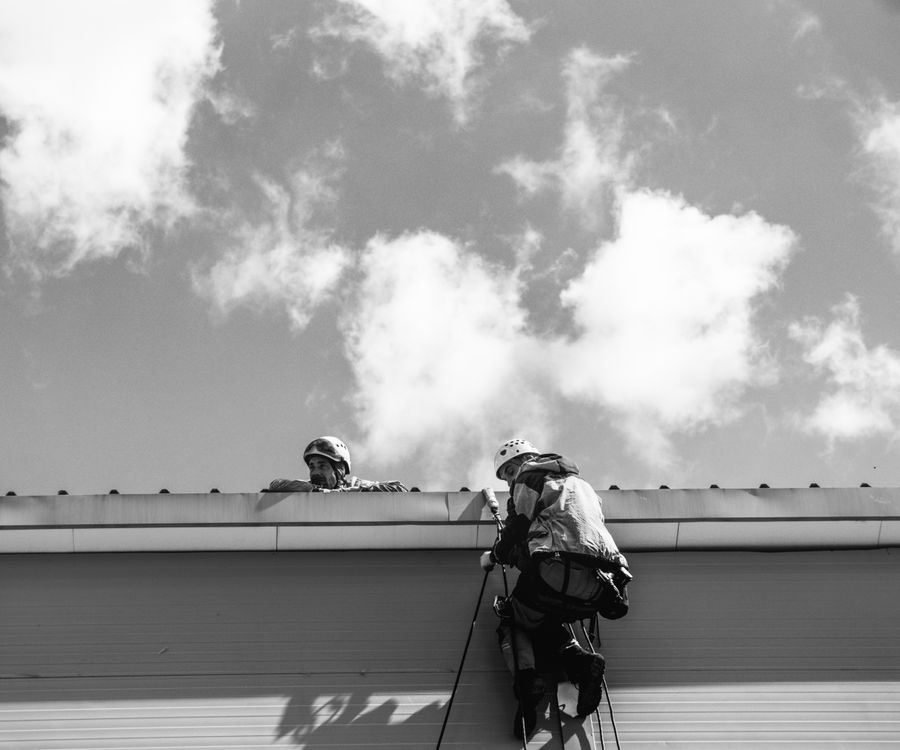
Photo by Andreas Ebner via Pexels
In short: Hail damage is random and sudden — round impact marks, fresh bruises, dents in soft metals — while wear is gradual and uniform, spread evenly across the roof. Insurance policies cover sudden storm damage but exclude wear and tear, so adjusters look for randomness, freshness, and a matching storm date. Your best defense is dated photos and an independent inspection soon after the storm.
Why the distinction matters so much
Every commercial property policy draws the same line: sudden, accidental storm damage is covered; gradual deterioration is not. That means the entire outcome of a hail claim can hinge on one question — did the hail do this, or was the roof already wearing out?
This isn't an abstract debate. An adjuster who walks a 15-year-old roof and sees cracking and thinning can plausibly call it wear and tear and deny the claim. But the same roof can have genuine, fresh hail bruises sitting right on top of that aging surface — and those bruises are covered. Knowing how adjusters read a roof tells you exactly what to document.
How does hail damage actually look different from wear?
Hail damage: random, localized, and directional
Real hail leaves a signature that's hard to fake and easy to recognize once you know it:
- Random impact pattern. Hailstones fall where they fall. Dents and bruises appear scattered, with no regard for seams, slopes, or drainage paths. If damage clusters exactly along a ponding area or a worn seam, that's wear, not hail.
- Fresh, unweathered marks. A fresh hail bruise on a membrane looks different from old damage — the impacted area is cleaner, the granule loss or scuffing hasn't been dulled by months of sun and rain. Adjusters look at the edges of a mark: sharp and fresh suggests recent impact.
- Damage to soft metals. This is the tell adjusters trust most. Hail dents exhaust vents, flashing, gutters, and HVAC housings. Normal aging doesn't dent metal. If the metal details are peppered with dings and the membrane shows bruising in the same storm-exposed areas, the case for hail is strong.
- Impact marks on only the storm-facing exposures. On sloped sections, hail damage concentrates on slopes that faced the storm's direction. Uniform deterioration on all slopes points to age.
Normal wear: gradual, uniform, and predictable
Wear and tear has its own signature, and adjusters know it cold:
- Evenly distributed aging. Thinning membranes, alligatoring (fine surface cracking that looks like alligator skin), and surface erosion appear across broad areas, not in scattered spots.
- Patterned deterioration. Wear follows the roof's weak points — seams, ponding areas, high-traffic paths to HVAC units, spots under debris. Damage that maps neatly onto these zones is wear until proven otherwise.
- Oxidation and brittleness. Old roofing materials get brittle and chalky. Cracking from brittleness looks different from impact cracking — it runs along stress lines and seams rather than radiating from a point.
- No collateral evidence. A worn roof won't have dented vents, cracked skylights, or storm debris scattered around. The absence of collateral damage weakens any hail claim.
What is the adjuster actually doing on your roof?
Understanding the adjuster's method helps you prepare. A typical commercial roof inspection follows a rough sequence:
- Overall condition survey. The adjuster notes the roof's age, material type, and general state before looking at anything specific. A roof near the end of its service life starts under suspicion — fairly, since most of what they see will be wear.
- Test squares. Adjusters often mark out sample areas (sometimes 10x10 foot squares) and count hail hits within them. This quantifies the damage and distinguishes scattered impacts from general deterioration.
- Collateral check. They examine soft metals — vents, flashing, gutters, skylight frames — for hail dents. Consistent denting across metal details is the strongest corroborating evidence.
- Storm date correlation. They'll check weather records for hail events at your location. Damage that can't be tied to a reported storm date is much harder to get covered. This is why knowing when the storm hit matters enormously.
- Photographs and measurements. Everything gets documented from the adjuster's perspective. Your own documentation, taken earlier, is the counterweight.
None of this is adversarial by design — but the adjuster works for the insurer, and their job includes separating covered damage from excluded wear. Your job is to make the hail damage unmistakable.
How do you document damage so the claim holds up?
The gap between a paid claim and a "wear and tear" denial is usually documentation. Here's what actually helps:
- Photograph immediately after the storm. Fresh marks are the most convincing. Use timestamps, and photograph both the damage and the wider roof area for context.
- Capture the collateral damage. Dented vents, cracked skylights, damaged gutters — photograph all of it. This is the evidence adjusters weight most heavily.
- Record the storm date. Note the date and time of the hail event, and keep any weather alerts or news reports. If you have a weather station or building sensors, save that data.
- Get an independent inspection first. A qualified inspector documents hail-specific damage before the adjuster arrives, using the same language adjusters use — impact counts, bruise locations, collateral damage. This report becomes your reference point if the adjuster's findings differ.
- Don't repair before documenting. Emergency tarping to stop active leaks is fine and expected. But permanent repairs before the adjuster sees the roof can erase the evidence you need.
- Keep maintenance records. Ironically, good maintenance records strengthen hail claims. They prove the roof was in sound condition before the storm, which makes it much harder to attribute everything to pre-existing wear.
What if the adjuster still calls it wear and tear?
A denial isn't the end. You have options, in roughly this order:
- Ask for a re-inspection. Request that a different adjuster or a supervisor walk the roof, and be present with your inspection report in hand.
- Get a second independent opinion. A detailed contractor or engineer report that specifically addresses the wear-vs-hail question carries weight.
- Use the policy's appraisal process. Most commercial policies include an appraisal clause — each side hires an appraiser, and they pick an umpire. It's designed exactly for disagreements over damage scope.
- Consult a public adjuster or attorney. For large claims, professional representation often pays for itself. Just understand the fee structure before you sign.
The common thread: every one of these options is stronger with early, thorough documentation. The property owners who win disputes are the ones who photographed the roof the week of the storm.
The bottom line for property managers
You can't control whether hail hits your building, but you can control whether the damage is recognized for what it is. After any significant hail event: document fast, photograph the metal details, note the storm date, and get an independent inspection before wear and weather blur the evidence. The difference between "covered storm damage" and "excluded wear and tear" is often just a matter of who documented first.
If a storm recently passed over your property and you're unsure what you're looking at, a professional inspection settles the question. Request a free storm damage inspection — we'll document what the storm did, in the detail adjusters expect. Learn more about our hail damage inspection service for commercial properties.
Frequently asked questions
How can you tell if roof damage is from hail or just age?
Hail damage is random and localized to impact points — round dents, fresh bruises, cracked areas where stones hit. Wear is uniform and gradual — thinning, alligatoring, and cracking spread evenly across the roof. Adjusters look for randomness vs. pattern.
Will insurance deny my claim as 'wear and tear'?
It happens when damage isn't documented well. Wear-and-tear exclusions are standard in commercial policies, so you need dated photos, an independent inspection report, and storm-date evidence to show the damage was sudden and accidental.
Should I get my own inspection before the adjuster comes?
Yes. An independent inspection documents the roof's condition from your side, identifies hail-specific marks before weather softens them, and gives you a knowledgeable advocate when the adjuster's findings come back.
How long do I have to file a hail damage claim on a commercial roof?
Most commercial policies give you around one year from the storm date, though some allow less. File and document as early as possible — waiting lets hail bruises weather into damage that looks like plain old age.
Think your building took a hit?
Get a fast, no-obligation inspection from a local pro.