
7 Signs of Hail Damage on Your Commercial Roof (and What to Do Next)
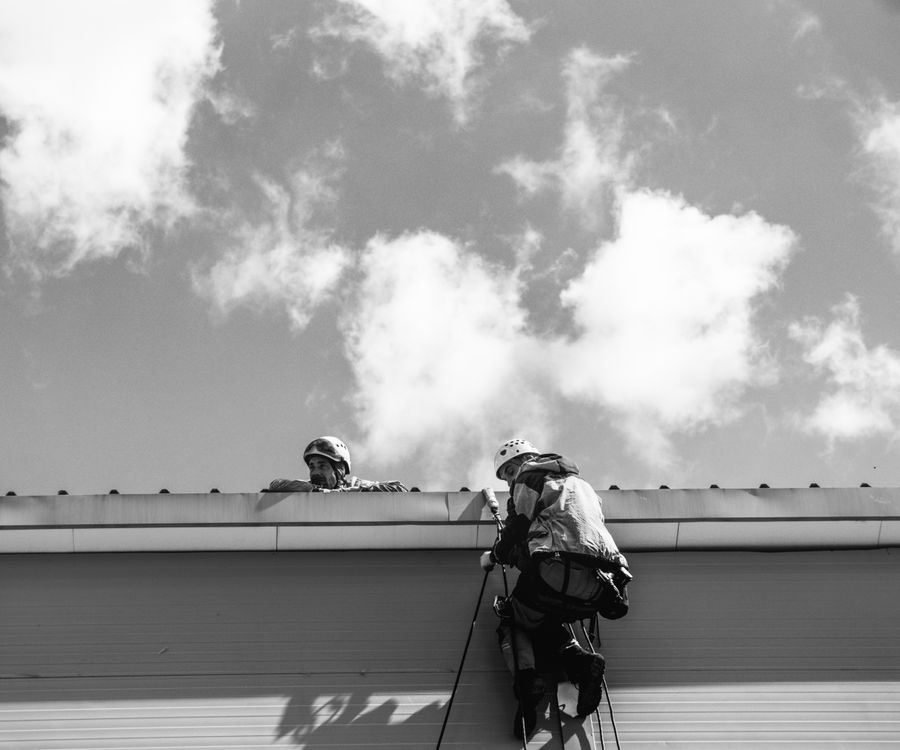
Photo by Дмитрий Рощупкин via Pexels
In short: Hail damage on commercial roofs rarely looks dramatic from the ground. Check metal vents and flashing for dents, look for granule loss or membrane bruising, inspect skylights and rooftop units, and watch for water stains inside. If a hailstorm passed over your property, get a professional inspection within days — waiting lets small bruises turn into leaks and weakens any insurance claim.
Why hail damage hides on commercial roofs
Most commercial buildings have flat or low-slope roofs you never see. Unlike a house where you might spot missing shingles from the driveway, a warehouse, office, or dealership roof can take a beating from hail while looking perfectly fine from the parking lot. The damage is up there — bruised membranes, cracked flashing, dented vents — quietly letting water find its way in over the following months.
After any hailstorm with stones larger than about an inch, assume your roof took hits until an inspection says otherwise. Here's what to check.
1. Dented metal vents, flashing, and edge details
Soft metals tell the truth first. Walk the roof (safely) or have someone do it and look at:
- Exhaust vents and pipe boots
- Metal flashing around parapets and curbs
- Gutters and downspouts
- HVAC unit housings
Dents and dings in these metals mean hail hit with enough force to damage the roofing membrane too. This is the fastest visual confirmation you can get.
2. Granule loss or bruised membrane
On built-up or modified-bitumen roofs, hail knocks the protective granules loose, exposing the black asphalt underneath. On single-ply membranes (TPO, EPDM), hail leaves bruises — soft spots or scuffs where the impact compressed the material. Press gently: a bruise feels spongy compared to the surrounding roof. These spots are future leak locations.
3. Cracked or broken skylights
Skylights are hail magnets. Even hairline cracks let water in and will spread with thermal cycling. Check every skylight dome and curb after a storm.
4. Damaged rooftop equipment
Hail dents condenser fins, cracks fan covers, and batters the housings of rooftop HVAC units. Beyond the roof itself, damaged equipment runs less efficiently and fails sooner. Note any dents on units — they're also useful evidence that the storm was severe enough to damage the roof.
5. Water stains inside the building
Check ceilings, especially around penetrations (vents, skylights, drains), and top-floor walls. Yellow-brown rings or bubbling paint mean water already got through. By the time you see stains, the roof has been compromised for a while — don't wait on this one.
6. Clogged or damaged drainage
Hail and storm debris clog roof drains and scuppers. Standing water (ponding) that remains 48 hours after rain accelerates membrane breakdown and adds enormous structural load — water weighs about 5 pounds per square foot per inch of depth. Clear drains promptly after every major storm.
7. Granules or debris at downspouts and on the ground
After the storm, check the ground around downspout outlets. Piles of roofing granules that look like coarse black sand mean your roof's protective surface took a beating. It's one of the few signs visible without climbing up.
What to do next: the 72-hour playbook
- Document everything. Photograph dents, stains, and debris with timestamps. This is your evidence for insurance and contractors alike.
- Get a professional inspection within days. A trained eye finds bruising and flashing damage you'll miss, and documents it the way adjusters want to see it.
- Know your claim window. Most commercial policies limit storm claims to about a year — some less. Fresh documentation makes the process far smoother.
- Don't sign anything under pressure. Storm-chasing contractors knock on doors after every hail event. Get an independent inspection first, then decide.
How Storm Fix Now helps
We connect businesses with local, vetted pros for fast, no-obligation storm damage inspections. You get a clear picture of what the hail did — documented — and straightforward next steps, whether that's a repair, an insurance claim, or peace of mind.
Request a free inspection or explore our hail damage inspection service for car lots, dealerships, and fleets.
Frequently asked questions
How do I know if hail damaged my commercial roof?
Look for dented metal vents and flashing, granule loss on shingles or membrane scuffing, cracked skylights, and water stains inside the building. The surest confirmation is a professional inspection — much hail damage is invisible from the ground.
How soon after a hailstorm should I get a roof inspection?
Within days, not weeks. Most commercial insurance policies give you a limited window (often around one year, sometimes less) to file a storm claim, and damage documentation is strongest when it's fresh.
Does hail damage always cause leaks right away?
No. Hail often bruises roofing materials without puncturing them immediately. The damage shows up months later as leaks when the weakened spots deteriorate — which is why early inspection matters.
Think your building took a hit?
Get a fast, no-obligation inspection from a local pro.